

Fatherhood is a vital role in any society, but in South Africa, it has been shaped by a unique historical context that continues to influence the lives of Black fathers today. Understanding this history is key to addressing the challenges and opportunities that Black fathers face.
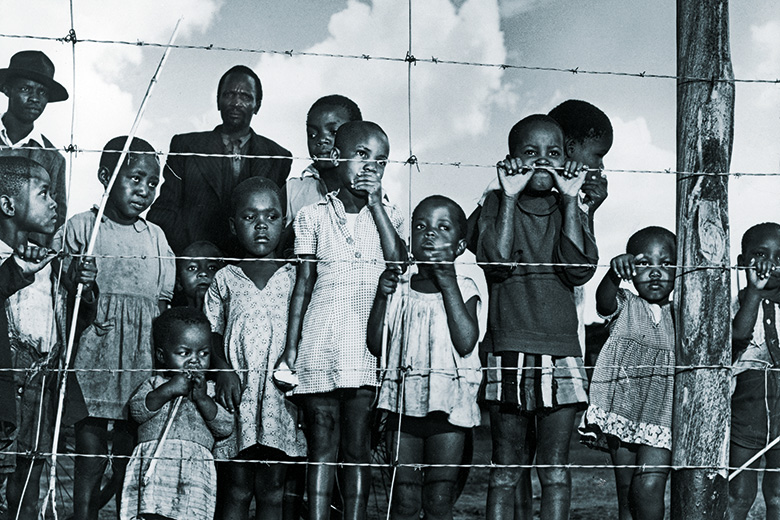
During the colonial era and under Apartheid, South Africa’s economy relied heavily on migrant labour. Black men were forced to leave their rural homes to work in urban areas or mines, often living in single-sex hostels far from their families. This system separated fathers from their children for long periods, sometimes years. The Apartheid government’s policies further entrenched this separation, making it difficult for families to live together.
As a result, marriage rates among Black Africans are relatively low. By ages 30-34, only 37% are married, increasing to 51% by 35-39. Economic factors play a significant role; men with higher incomes are more likely to be married and live with their children. For instance, 56% of Black people earning less than R2500 per month are married, compared to 65% of those earning R2500 or more. (Source: The status of fatherhood and fathering in South Africa)
Father absence is a significant issue in South Africa. Approximately 50% of estimated fathers do not have daily contact with their children. This absence can be due to various factors, including work, death (especially from HIV/AIDS), or other circumstances. In 2002, 25% of South African children lived apart from both parents, often because of migrant work, rural livelihoods, or education needs.
Culturally, fatherhood in South Africa is deeply rooted. In many African cultures, including Sepedi, there is a saying “ngwana ga se wa shete, ke wa kgoro,” which means a child belongs to the family, not just the biological parents. This emphasizes the importance of social fatherhood, where a man takes responsibility for a child, even if he is not the biological father.
Despite these challenges, there are opportunities for Black fathers to be more involved. Organizations like Black Dads Unplugged provide resources, workshops, and community support to help fathers navigate the joys and challenges of fatherhood. By understanding the historical context and current realities, Black fathers can work towards being more present and supportive in their children’s lives.

In conclusion, the path to fatherhood in South Africa has been shaped by history, but it is also paved with potential for positive change. By recognizing the past and embracing support systems, Black fathers can play a crucial role in their children’s lives and contribute to stronger, more united communities.